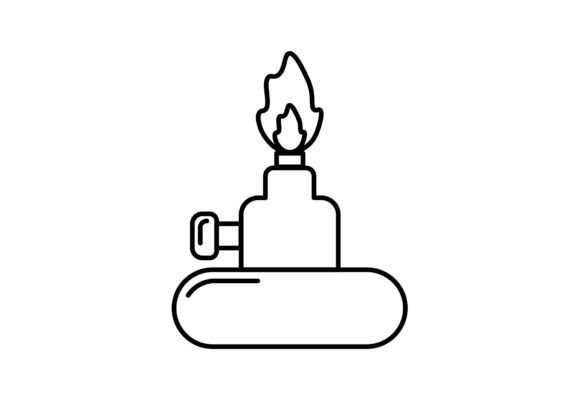
Burner Science Silhouette SVG
A Designer’s First Glance: Clean, Quiet, and Curiously Versatile
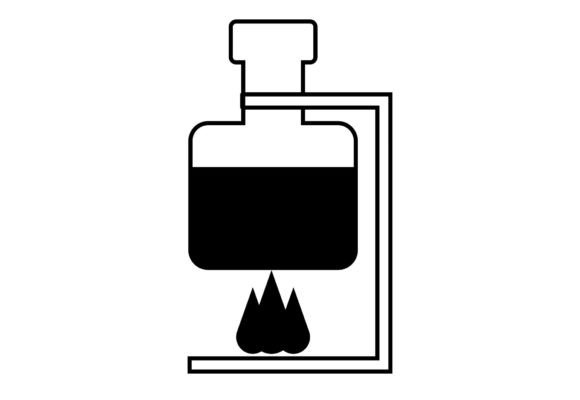
When I opened Burner Science Silhouette SVG, my first thought wasn’t “science” — it was stillness. This isn’t a busy lab icon or a cluttered chemistry set. It’s a single, confident silhouette: minimal, grounded, and quietly intelligent. The shape reads instantly as a burner — not literal, but evocative — with subtle weight distribution and balanced negative space. As an embroidery designer who’s stitched everything from florals to fractals, I appreciate how this kind of restraint translates directly to stitch integrity. It doesn’t scream; it invites. That makes it ideal for projects where subtlety equals sophistication — think boutique aprons, minimalist nursery decor, or custom lab-coat patches for science teachers.
Stitching It Out: What Happens When Pixels Become Thread
I tested Burner Science Silhouette SVG on three real-world items: a medium-weight cotton tote bag, a 100% cotton baby onesie (size 6–12 months), and a twill baseball cap. Here’s what stood out:
- Tote bag: With its clean outline and moderate scale, the design held crisp edges using a satin stitch border and light fill stitch. No puckering, no distortion — especially important since totes get folded, washed, and carried daily. Customers notice that polish.
- Baby onesie: On soft, thin fabric, I paired it with tear-away + cut-away stabilizer. The silhouette stayed sharp even at 2.5" wide — no bleeding, no thread nesting in corners. Parents love quiet, meaningful details like this on heirloom-style baby items.
- Caps: This is where caution kicked in. The curved surface compressed the lower curve slightly. I resized to 2.1" and adjusted underlay — a small tweak, but one every embroiderer should expect with any silhouette-based machine embroidery design.
Where It Shines (and Where It Needs Extra Care)
Burner Science Silhouette SVG thrives in contexts that value clarity over complexity. It’s a natural fit for:
- Embroidered patches for STEM educators or maker-space branding
- Personalized sweatshirt embroidery for science clubs or university departments
- Kitchen towel or tea towel designs — especially when paired with subtle text like “Simmer,” “Observe,” or “Measure Twice”
- Holiday embroidery on linen pillow covers for teacher gifts or lab-themed weddings
- Digital embroidery file previews for Etsy sellers building cohesive shop themes around curiosity and craft
But be thoughtful about placement and substrate. Avoid it on highly textured fabrics (like bouclé or heavy terry) unless you’re willing to increase stitch density — the fine contour may blur. Likewise, on dark fabric, test thread contrast early: charcoal gray thread on navy can vanish; off-white pops cleanly. And if you’re planning dense decorative accents around it — say, tiny stars or molecular dots — confirm spacing in your embroidery software first. Overcrowding kills the minimalism that makes this design work.
Why This Isn’t Just Another Icon — It’s a Brand Signal
Icons are easy to find. But icons that carry quiet authority? Those are rare. Burner Science Silhouette SVG doesn’t try to explain science — it suggests it. That nuance matters for handmade product positioning. When customers see it on a custom embroidered apron at a local craft fair, they don’t just register “burner.” They register care, intention, and a touch of wit. That builds trust faster than a dozen bullet points. For Etsy sellers, that translates to better engagement on listings — especially when paired with clean printable mockups showing the design on light and dark backgrounds. For small shop owners, it becomes part of a visual language: consistent, calm, and unmistakably human-made.
Practical Notes Every Embroidery Designer Should Run Through
Before stitching your first finished product, take five minutes to run these checks:
- Test on scrap fabric — same type and weight as your final piece. Watch how the curves lay down.
- Review stitch density — too sparse on thin fabric = show-through; too dense on stretchy fabric = stiffness and cracking.
- Confirm hoop size compatibility — this design likely fits standard 4x4 hoops, but verify before hooping ten caps.
- Inspect small details — does the base taper cleanly? Are inner corners sharp enough for satin stitch without skipping?
- Try black-and-white mockups — helps spot contrast issues before thread is loaded.
- Use proper stabilizer — especially for baby embroidery or lightweight apparel where stability affects drape and comfort.
- Check licensing — since this is marketed as a Graphics asset for Photoshop and other software, confirm whether commercial use (e.g., selling embroidered patches or digital embroidery files) is permitted. When in doubt, contact the creator.
Final Thought: Less Is Truly More — If It’s Designed Right
Burner Science Silhouette SVG proves that minimalism isn’t about removing detail — it’s about honoring proportion, rhythm, and purpose. It’s not flashy, and it shouldn’t be. Its strength lies in how effortlessly it integrates into thoughtful handmade products: a science-themed baby gift that feels warm, not clinical; a custom tote that whispers expertise instead of shouting it; a holiday embroidery piece that lands as sincere, not gimmicky. For craft business owners, it’s a low-risk, high-return design asset — one that supports brand consistency without demanding complex digitizing or heavy marketing lift. Just remember: even the quietest icons deserve intentional execution. Stitch it right, and it won’t just sit on fabric — it’ll belong there.