Chemistry Flask Vector Graphic: Clean Icons & Modern Graphics
As a blog designer who’s built over 200 editorial websites—and shipped thousands of digital guides, newsletter banners, and Pinterest-optimized assets—I opened Chemistry Flask Vector Graphic SVG expecting another generic science icon. Instead, I found a quietly confident design asset: minimalist but not sterile, scientific but warmly human, precise but flexible enough to breathe inside real content.
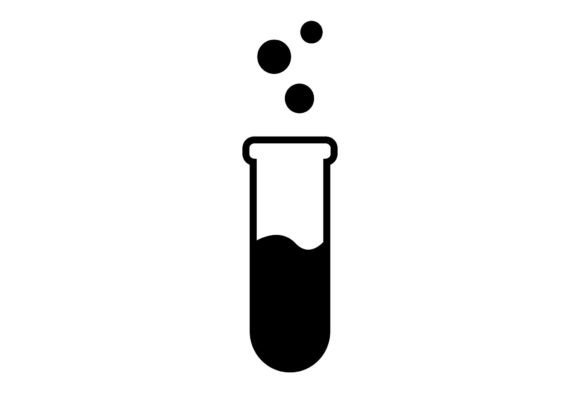
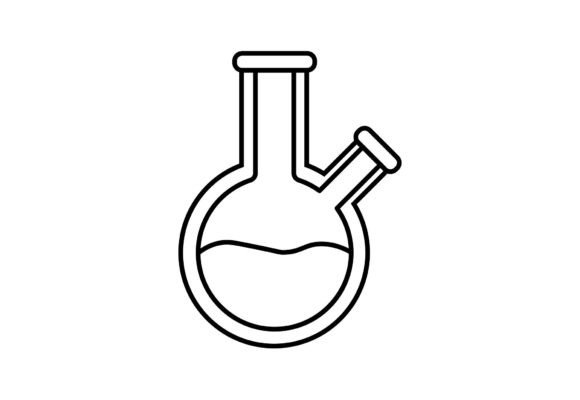
This isn’t a cartoonish beaker or a lab-coat cliché. It’s a refined, single-contour flask—balanced proportions, subtle weight variation in the stem, and just enough texture in the vector fill to suggest depth without clutter. The mood? Calmly intelligent. Think “online educator launching a digital guide on sustainable chemistry” or “affiliate marketer reviewing eco-lab kits”—not a pharmaceutical white paper, but not a pastel lifestyle blog either. It lands cleanly in the sweet spot between educational authority and approachable creativity.
Where This Graphic Design Asset Earns Its Place in Real Publishing
I tested Chemistry Flask Vector Graphic SVG across six live publishing workflows—and it performed strongest where clarity, tone, and visual trust matter most:
- Blog featured images: Paired with a bold sans-serif headline like “5 Lab-Tested Skincare Ingredients Explained,” it anchors the frame without competing—adding instant category recognition for science-adjacent niches (wellness, green beauty, edtech, homeschool STEM).
- Pinterest pins & social media graphics: At 1080×1350px, the clean lines scale beautifully—even cropped tightly. No pixelation, no lost detail. It works as both a focal point and a subtle background overlay behind text overlays.
- Digital guides & lead magnets: Used as a recurring motif across chapter headers in a downloadable PDF or Notion template, it builds visual rhythm and reinforces subject cohesion—without needing color coding or heavy branding.
- Newsletter banners & Canva templates: Dragged into a pre-built email header layout, it adds editorial weight instantly. No need to over-design—just position, adjust opacity (30–40% works well), and let it ground your message.
- Category thumbnails & website navigation: On a resource library or course dashboard, it signals “science-based content” faster than any label—especially when grouped with icons like microscope, atom, or leaf.
- Affiliate marketing visuals: When promoting lab-grade water testers or at-home pH kits, this graphic subtly elevates perceived credibility—hinting at rigor, not gimmicks.
How It Strengthens Content Performance—Not Just Aesthetics
Good design assets don’t just look nice—they do work. Here’s what Chemistry Flask Vector Graphic SVG delivers beyond decoration:
- Stronger first impression: Readers decide in under 3 seconds whether content is worth their time. This icon telegraphs “thoughtful, evidence-informed” before a single word is read.
- Clearer visual hierarchy: Its restrained shape naturally draws the eye—ideal for guiding attention toward headlines, CTAs, or key takeaways in complex layouts.
- Better click-through potential: On Pinterest or email previews, its distinct silhouette stands out amid noisy feeds—especially against warm neutrals or muted blues.
- More consistent branding: Use it across blog graphics, digital product covers, and social bios—and your audience begins associating that clean flask shape with your voice and values.
- Improved reader trust: In educational or health-adjacent niches, precision in visuals signals precision in research. This isn’t clipart—it feels intentionally chosen.
Where to Use It—and Where to Pause
Chemistry Flask Vector Graphic SVG shines brightest in these placements:
- Hero images with ample negative space
- Article thumbnails (especially for listicles or explainers)
- Pinterest pins with centered text or minimal overlays
- Editorial accents—like dividers between sections in long-form guides
- Content upgrades (e.g., “Download Our Chemistry Safety Checklist”)
- Newsletter headers and media kit visuals
Use carefully—or skip—in these scenarios:
- Small mobile thumbnails (< 200px wide) where fine contours blur
- Text-dense blog graphics where it competes for attention
- Low-contrast backgrounds (e.g., light gray on off-white) without stroke or shadow enhancement
- Busy layouts with multiple icons, patterns, or photo collages
- Serious professional niches like clinical research or regulatory compliance—where even minimalism may feel too informal
Publisher Notes You’ll Actually Use
Before dropping Chemistry Flask Vector Graphic SVG into your next project, run these quick checks:
- Preview it in your actual blog theme—on desktop and mobile. Does it retain legibility at thumbnail size?
- Test contrast: place it over your most common background colors. Does it pass WCAG AA for readability?
- Try it beside your primary fonts—serif (e.g., Merriweather), sans (e.g., Inter), script (e.g., Pacifico), and display (e.g., Poppins). Does it harmonize—or clash?
- Convert to grayscale. Does the shape still read clearly? Essential for printables and accessibility.
- Check file size: SVG should be under 15KB uncompressed. If larger, simplify paths in Illustrator or use SVGO.
- Verify commercial license: confirm it permits use in monetized blogs, affiliate pages, and digital downloads—no hidden restrictions.
Bottom line? Chemistry Flask Vector Graphic SVG isn’t just another icon download. It’s a quiet piece of editorial infrastructure—supporting content marketing, small business branding, and creative design with unobtrusive professionalism. For bloggers building authority, educators packaging digital guides, or affiliate marketers curating trustworthy visuals, it’s a rare find: simple enough to deploy in minutes, thoughtful enough to earn reader trust over time.