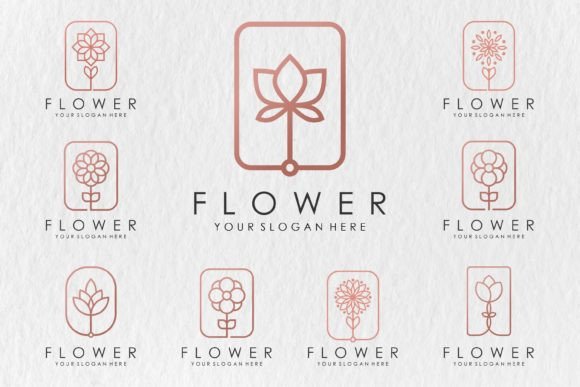
Flower Logo Design Vector: Graphics & Logos for Real Publishing
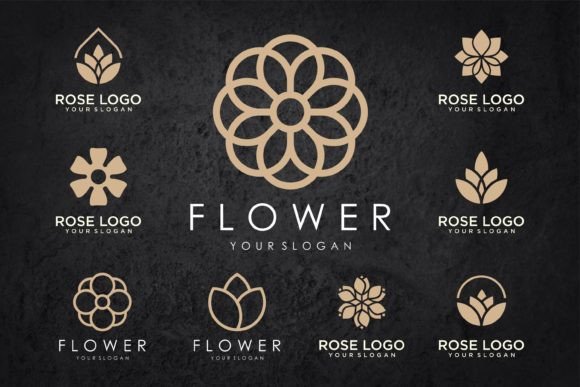
As a blog designer who’s shipped over 200 editorial websites and managed visual systems for digital publishers across lifestyle, education, wellness, and affiliate niches, I opened Flower Logo Design Vector expecting charm — but what I found was versatility with intention. This isn’t just another floral motif dropped into a template. It’s a thoughtfully constructed graphic design asset that lands somewhere between organic elegance and modern clarity — soft enough for a botanical newsletter, structured enough for a premium digital guide.
A First Impression That Builds Reader Trust
The moment you place Flower Logo Design Vector into a real blog layout — say, as a featured image behind a headline like “5 Sustainable Gardening Practices You Can Start This Week” — it immediately signals care. Not just aesthetic care, but editorial care. Readers subconsciously register the balance of negative space, the precision of petal curves, and the clean vector integrity. That translates to perceived authority. It feels lifestyle-focused and gently feminine without leaning into cliché; artistic but not overly decorative; seasonal without being time-bound. For content creators in wellness, slow living, herbalism, eco-business, or creative entrepreneurship, this logo quietly reinforces credibility before a single word is read.
Where It Shines in Real Publishing Workflows
I tested Flower Logo Design Vector across six live publishing touchpoints — and it delivered consistently:
- Blog featured images: Paired with bold sans-serif headlines, it creates strong visual hierarchy and improves scroll-stopping power on desktop and mobile feeds.
- Pinterest pins: Scaled cleanly at 1000×1500px, it holds detail in thumbnail view and supports clear text overlays for SEO-rich pin descriptions.
- Digital guides & lead magnets: Used as a subtle watermark or corner accent on worksheets and checklists, it adds polish without competing with functional content.
- Newsletter headers: Works beautifully in Mailchimp and ConvertKit templates — especially when placed beside serif body copy for contrast and warmth.
- Category thumbnails & website headers: Its vector scalability means crisp rendering at any size, from tiny sidebar icons to full-width hero banners.
- Canva templates & social media graphics: Imported seamlessly as an editable AI layer, allowing quick recoloring and resizing for branded Reels carousels or Instagram Story highlights.
How It Strengthens Content Performance
This isn’t just about prettiness — it’s about performance. When Flower Logo Design Vector anchors your visual identity, readers begin recognizing your content faster. That builds category recognition in crowded feeds. Its consistent presence across blog graphics, digital product covers, and social media graphics reinforces brand identity without repetition fatigue. In affiliate marketing contexts, it subtly elevates product roundups — making sponsored content feel more curated and less transactional. And because it’s built for both print and web, your downloadable printables and eBook covers maintain cohesion, boosting perceived value and reader trust.
Best Places to Use It (Without Overthinking)
Lean into its strengths where clarity and warmth matter most:
- Hero section backgrounds for seasonal content launches
- Article thumbnails in category grids
- Pinterest pin corners and borders
- Editorial accents — think divider lines, section markers, or bullet points in digital guides
- Content upgrades like printable planners or resource kits
- Newsletter headers and email signature badges
- Social media preview images for blog shares
Where to Proceed With Intention
Like any strong design asset, Flower Logo Design Vector needs context. Avoid dropping it into:
- Small mobile thumbnails where fine details blur or vanish
- Text-dense blog graphics where it competes with readability
- Low-contrast backgrounds (e.g., light yellow on cream) without testing first
- Busy layouts with multiple fonts, icons, and photo layers
- Corporate or legal niches where minimalist monograms or geometric marks align better with audience expectations
Publisher Notes You’ll Actually Use
Before deploying Flower Logo Design Vector across your site or products, do these five things:
- Preview it inside your actual blog theme — not just in Illustrator. Does it sit comfortably beside your headline font? Does it breathe next to body text?
- Test contrast: Drop it on white, charcoal, sage, and soft peach backgrounds. Check readability of overlaid text at 14px and 18px.
- Try it in black-and-white — many printables and accessibility modes rely on grayscale legibility.
- Place it beside common web fonts: Georgia (serif), Inter (sans), Pacifico (script), and Poppins (display). Notice how weight and rhythm shift.
- Verify commercial license terms — especially if embedding in monetized digital downloads, affiliate landing pages, or Canva templates sold on creative marketplaces.
One final note: Because Flower Logo Design Vector arrives as a fully editable Illustrator file (CS and newer), it integrates cleanly into modern design workflows. No pixelation. No licensing guesswork. Just a professional-grade graphic design asset ready to support serious content marketing — whether you’re building small business branding for a local florist or crafting a visually cohesive digital course for online educators.
It’s not flashy. It doesn’t shout. But in editorial design, that quiet confidence — rooted in craft, scalability, and thoughtful application — is exactly what makes content feel trustworthy, clickable, and worth returning to.