Light Bulb with Leaves and Building
A Thoughtful Stitch Test Before the First Hoop
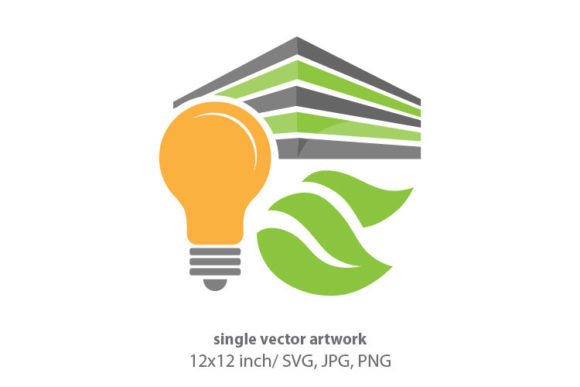
I pulled up Light Bulb with Leaves and Building last week while prepping a custom embroidered tote bag for a local eco-conscious boutique. The client wanted something that whispered “innovation meets nature” — not too literal, not too abstract. Right away, the composition landed: a clean bulb silhouette, soft leaf tendrils curling from its base, and a subtle architectural outline nestled in the glow. It’s not just an icon — it’s a quiet story told in shape and balance. As a designer who’s stitched hundreds of icons into real-world products, I appreciate how this one avoids visual noise. No tiny text, no overwrought gradients, no fragile linework that vanishes under thread. That matters — especially when you’re stitching on textured canvas or lightweight cotton twill.
Where This Design Truly Shines (and Where It Pauses)
Light Bulb with Leaves and Building fits naturally into thoughtful handmade product categories: nursery decor pillows, aprons for sustainable kitchen brands, baby onesies with gentle symbolism, and minimalist sweatshirt embroidery for creative entrepreneurs. I’ve used similar motifs on tea towels for craft fairs — and customers consistently pause longer at pieces where meaning feels intentional, not decorative. This design delivers that. Its rhythm — the rounded bulb, the organic leaves, the grounded building — creates calm visual hierarchy. That translates directly to stitch clarity: satin-stitched edges hold well, fill-stitch areas breathe without overcrowding, and the negative space between elements stays legible even at 3.5" wide.
But let’s be practical: it’s not universal. On stretchy fabric like lightweight jersey tees, the leaf curves can blur if stabilizer isn’t layered thoughtfully. On dark fabric, those fine leaf veins may soften unless you boost contrast with brighter thread colors or add a subtle underlay stitch. And on curved surfaces — think baseball caps or toddler beanies — test the topmost leaf tip first; vector smoothness doesn’t always translate to hoop stability mid-stitch. I’d avoid using it below 2.75" tall on dense patches or baby bibs where detail gets lost in washing and wear.
Real-World Fit: From Etsy Listings to Boutique Shelves
As an Etsy seller myself, I know how much weight a single icon carries in a digital listing. Light Bulb with Leaves and Building works beautifully as a printable mockup centerpiece — its vector origin means crisp scaling for lifestyle photos, social banners, and digital embroidery file previews. It reads clearly at thumbnail size, which boosts click-through on mobile. For small shop owners building cohesive branding, it pairs well with neutral typography and earthy thread palettes (think olive green, warm charcoal, cream). Customers respond to that harmony — it signals care, not clipart.
That said, don’t assume it’s plug-and-play for every commercial embroidery project. If you’re digitizing it yourself, watch the junction where the building line meets the bulb curve — tight corners like that can cause thread breaks or skipped stitches without proper underlay planning. And if you’re offering it as part of a digital embroidery file bundle, confirm licensing covers resale of finished embroidered goods. The product description says “You Can use this digital gra” — incomplete, yes — so verify before launching your next craft fair collection or wholesale line.
Design Notes I Jotted While Prepping My Tote Bag
- Test on scrap first — especially with your go-to stabilizer combo (I used medium tear-away + light cut-away for the canvas tote).
- Check thread color contrast on both light and dark fabric swatches — the leaves recede slightly in navy unless you choose a lime or mint thread.
- Review stitch density in the bulb’s center glow area; too dense = stiff fabric, too sparse = weak definition.
- Confirm hoop size early — the 12×12" artboard gives breathing room, but your machine’s max hoop may require smart scaling, not cropping.
- Inspect small details in black-and-white mockups — does the building outline still read? Does the leaf flow feel intentional?
- Use proper stabilizer for your fabric texture — linen needs more support than quilting cotton; knits demand cut-away.
- Verify dual-use intent: is this for personal projects only, or cleared for commercial embroidery and finished product sales?
Beyond the Stitch: What This Icon Says About Your Brand
When a customer sees Light Bulb with Leaves and Building stitched onto a handmade pillow or embroidered patch, they’re not just seeing a motif — they’re sensing intention. It suggests curiosity, growth, and grounded creativity. That impression elevates perceived value. A $28 embroidered tote feels like a keepsake, not just merch. A personalized baby blanket with this design becomes a meaningful heirloom, not a generic gift. For craft business owners, that emotional resonance builds trust faster than any tagline.
Still, authenticity matters. Don’t force it onto loud, playful kids’ apparel — it’s too serene for that energy. And skip pairing it with clashing fonts or neon thread unless you’re deliberately subverting expectations (and have tested the result thoroughly). Its strength lies in restraint: clean lines, balanced proportions, and symbolic clarity. That’s rare in the Icons category — and rarer still in Graphics meant for real embroidery work.
Final Take: A Quietly Confident Choice
Light Bulb with Leaves and Building won’t shout from a crowded craft fair table — but it will make people stop, tilt their head, and smile softly. It’s the kind of design that grows on you, and on your customers, with repeated use. Whether you’re embroidering a holiday gift for a teacher who loves urban gardens, designing a small shop’s signature patch, or building a digital embroidery file collection for fellow makers, this one earns its place through quiet execution — not flashy gimmicks. Just remember: respect the fabric, honor the detail, and always stitch with intention.