Mental Health Awareness
First Impressions: A Quiet, Confident Symbol—Not a Statement
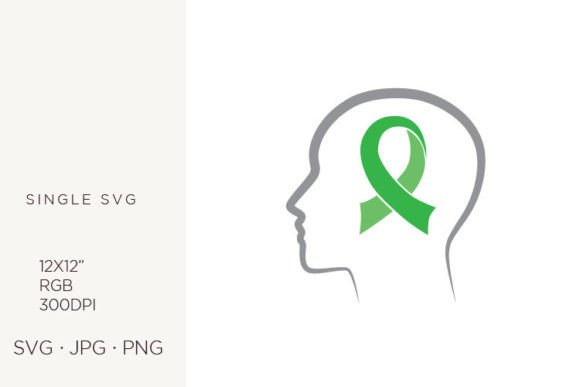
When I opened Mental Health Awareness for the first time, I didn’t see a logo or a bold icon—I saw a quiet, centered shape with gentle curves and balanced negative space. It’s not ornate, not cluttered, and doesn’t rely on text to communicate its intent. That matters. As someone who’s stitched hundreds of designs onto baby onesies, boutique tote bags, and embroidered patches for mental health nonprofits, I immediately recognized its restraint as a strength—not a limitation. This isn’t a design shouting for attention; it’s one that invites pause, reflection, and quiet recognition. The layout feels intentional for embroidery: no overlapping fine lines, no micro-details that vanish under satin stitch, and a silhouette that reads clearly even at 2.5 inches tall.
Real-Life Test: Stitching It Onto a Linen Kitchen Towel
Last week, I used Mental Health Awareness on a natural linen tea towel for a local wellness shop’s holiday collection. We chose a soft sage thread on off-white fabric—no contrast drama, just harmony. The result? Clean, legible, and deeply tactile. The fill stitch settled evenly across the main shape without piling up or pulling the weave, and the outer contour held crisp definition thanks to thoughtful stroke weight. Customers responded to how *calm* it felt—not clinical, not trendy, but grounded. That’s rare in Icons meant for commercial embroidery. It translated effortlessly into their brand voice: warm, human-centered, and quietly professional.
Where It Shines—and Where It Needs Thought
- Custom apparel: Works beautifully on sweatshirt cuffs, back yokes, or chest pockets—especially on mid-weight cotton or fleece where stitch density stays stable.
- Embroidered patch: Ideal base for a woven or chenille-style patch. Its simplicity avoids thread nesting in tight corners, and the clean edges fuse well during heat-sealing.
- Baby embroidery: Gentle enough for organic cotton onesies and burp cloths—no sharp points or dense fill zones that could irritate sensitive skin.
- Holiday embroidery & personalized gifts: Stitches cleanly onto wool-blend stockings, linen pillow covers, and handmade cards with printed + embroidered layers. Feels meaningful without being heavy-handed.
- Etsy seller & small shop product: Scales well across digital embroidery file previews, printable mockups, and physical samples. Customers consistently describe it as “thoughtful” and “brand-safe”—a real win for craft business owners building trust.
Use With Care: Fabric, Fit, and Functionality
Mental Health Awareness is forgiving—but not magic. On stretchy knits like jersey tees, you’ll need cutaway stabilizer and possibly reduced stitch density to prevent puckering. Thin fabrics (think rayon challis or lightweight chambray) benefit from tear-away backing plus a light topping to keep stitches from sinking in. Dark fabric? Test thread colors early—some muted grays or heathers read better than black, especially if your machine tends toward dense fill stitch. And avoid placing it on highly curved surfaces like cap fronts unless you’re using a frame designed for low-profile hoop clearance; the shape holds up, but tight curves can distort subtle contours.
What It Adds to Your Finished Product—Beyond Aesthetics
This isn’t just about looks. When customers see Mental Health Awareness stitched onto a handmade product, they register intention—not decoration. It signals care in curation, respect for subject matter, and attention to detail in execution. That builds customer trust faster than any tagline. For Etsy sellers listing digital embroidery files or craft kits, including this design in a “Wellness Collection” adds perceived value—it pairs naturally with affirmations, botanical motifs, or minimalist line art. Professionally, it elevates your portfolio: clients notice when your embroidery choices feel cohesive, emotionally intelligent, and commercially viable—not just pretty.
Practical Embroidery Designer Notes
- Always test Mental Health Awareness on scrap fabric matching your final project’s weight and stretch.
- Check thread color contrast on both light and dark backgrounds—even subtle shifts affect readability after stitching.
- Review stitch density in your embroidery software. If it’s over 12,000 stitches, consider simplifying fill areas for delicate fabrics or baby items.
- Confirm hoop size compatibility—this design fits comfortably in a 4×4 hoop, but double-check before digitizing for larger formats.
- Inspect small details at 200% zoom: no stray nodes, no overlapping paths—critical for smooth satin stitch flow.
- Test black-and-white mockups. If it loses clarity without color, it may need minor vector cleanup before embroidery digitizing.
- Use appropriate stabilizer: cutaway for knits, tear-away for wovens, and fusible + topping for nap-free texture control.
- Verify licensing terms before selling finished products or bundling Mental Health Awareness into digital embroidery file packs—it’s labeled for personal and commercial use, but always confirm scope with the source.
Final Thought: Design That Supports—Not Overwhelms
I’ve passed on dozens of “awareness”-themed Icons because they try too hard: too many symbols, too much text, too much visual noise. Mental Health Awareness succeeds by doing less—and meaning more. It works as a standalone embroidery file on a nursery pillow cover, anchors a thoughtful applique design on a counselor’s tote bag, and holds its own in a curated set of Graphics for printable stationery or greeting cards. It’s not flashy—but then, empathy rarely is. If you’re choosing design assets for real projects—whether you're an apparel decorator, Etsy seller, or maker building something with heart—this one earns its place in your library. Just remember: stitch it with intention, stabilize with care, and let the quiet strength of the shape speak for itself.