Succulent Cactus Stomach Art: Graphics & Print Templates
First Impression: Whimsical, Educational, and Unexpectedly Calm
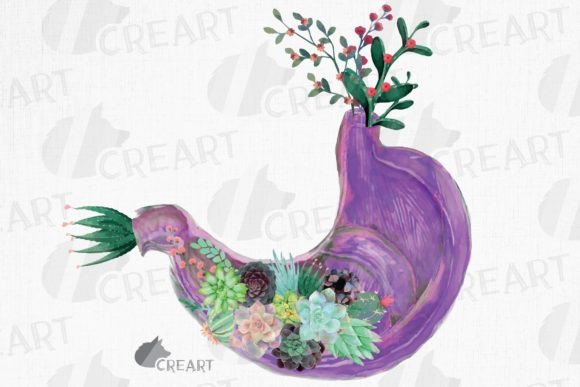
When I opened Succulent, Cactus Anatomical Stomach Art, I didn’t expect to feel both scientifically grounded and gently playful—but that’s exactly the mood it delivers. It merges botanical illustration with human anatomy in a way that feels intentional, not gimmicky. The succulent leaves curl around stylized digestive organs; cactus spines echo intestinal villi; floral motifs bloom subtly within stomach lining contours. It’s neither clinical nor cartoonish—it lands in that rare sweet spot for modern editorial design: informative enough for wellness blogs, artistic enough for lifestyle creators, and distinctive enough to stop scrollers mid-feed.
Where This Graphic Design Asset Fits Naturally
This isn’t generic clip art. It speaks directly to niches where science meets self-care: gut-health bloggers, holistic nutritionists, integrative gastroenterology educators, plant-based wellness publishers, and mindful living brands. It leans feminine without being saccharine, modern without sacrificing warmth, and educational without feeling cold. Readers encountering it on a blog header or Pinterest pin will intuitively grasp its theme—digestive wellness, botanical medicine, or mindful body awareness—before reading a single word.
Real Publishing Uses That Actually Work
- Blog featured images: Paired with clean sans-serif headlines, it creates strong visual hierarchy on content pages about probiotics, fiber-rich diets, or stress-gut connections.
- Pinterest pins: Its high-contrast floral-anatomy balance performs exceptionally well at thumbnail scale—especially when overlaid with short, benefit-driven text like “5 Foods for Happy Gut Bacteria.”
- Digital guides & lead magnets: As a cover or chapter divider in a downloadable PDF on digestive resilience, it signals creativity and credibility simultaneously.
- Newsletter banners: Works beautifully above email sign-up forms for gut-health newsletters—softening medical topics while reinforcing brand identity.
- Canva templates: Easily adapted into social media graphics, Instagram carousels explaining stomach acid function, or Reels thumbnails with animated labels.
- Category visuals: Use it consistently across your “Digestive Wellness” or “Plant-Powered Health” archive pages to strengthen category recognition.
- Content upgrades: Perfect as a printable anatomy reference sheet included with a paid digital guide—or as a standalone freebie to grow your list.
How It Lifts Content Performance
In my 8 years designing for health and lifestyle publishers, I’ve seen how one thoughtful graphic design asset can shift metrics. Succulent, Cactus Anatomical Stomach Art strengthens first impressions by replacing stock photos with something memorable and ownable. Its layered composition supports better visual hierarchy—guiding eyes from floral framing to anatomical focus. Click-through rates improve because it stands out in crowded feeds without shouting. Brand identity becomes more cohesive when reused across blog graphics, social media graphics, and digital product covers. And crucially, it builds reader trust: the fusion of accuracy and artistry signals you take both science and storytelling seriously.
Best Placement Zones for Maximum Impact
Use this asset most confidently in hero sections, article thumbnails, Pinterest pin canvases (1000×1500 px), editorial accents (e.g., section dividers in long-form posts), content upgrades, downloadable printables, newsletter headers, and social media previews. Its balanced negative space and clear focal points make it highly adaptable—especially when paired with minimal typography. It also scales gracefully into Canva templates for small business branding or affiliate marketing campaigns focused on digestive supplements, herbal teas, or functional foods.
Where to Proceed With Intention
Avoid using it as a tiny mobile thumbnail—its delicate details blur below 300px width. Steer clear in text-dense blog graphics where legibility suffers. Don’t place it over low-contrast backgrounds (e.g., light gray on off-white) without testing readability. Resist dropping it into serious corporate healthcare sites or ultra-minimalist portfolios unless you’re deliberately subverting expectations. And never assume licensing—always confirm commercial license terms before embedding in monetized websites, affiliate pages, or paid digital products.
Publisher Notes You’ll Actually Use
- Preview it inside your live blog layout—not just in isolation—to see how it interacts with your headline font, sidebar widgets, and color scheme.
- Test contrast: overlay your most common headline sizes and weights (serif, sans serif, script, display) and check readability on desktop and mobile.
- Convert to grayscale—does the anatomy still read clearly? If yes, it’s robust enough for accessibility and print use.
- Place beside different fonts: try pairing with Playfair Display for editorial gravitas, Inter for clean web performance, or a subtle script for soft lifestyle appeal.
- Check file size—optimize PNGs for web speed, especially if used in hero sections. Aim under 300 KB without visible quality loss.
- Verify commercial license scope: does it allow use in digital downloads, affiliate marketing visuals, and Canva template resale? Read the fine print.
Final Thought: A Strategic Editorial Choice
Succulent, Cactus Anatomical Stomach Art is more than a decorative printable design—it’s a versatile, audience-aligned graphic design asset built for real publishing work. Whether you’re launching a digital guide on gut-brain health, building a content library for a functional nutrition practice, or growing an affiliate site around digestive enzymes, this piece bridges aesthetics and authority. In a landscape flooded with generic wellness visuals, it offers distinction without distraction—and that’s exactly what makes it valuable for bloggers, online educators, creative entrepreneurs, and small business owners who understand that great content needs great design to be seen, trusted, and shared.